


Where Is Online Sports Betting Legal in 2026: A Guide for the U.S.

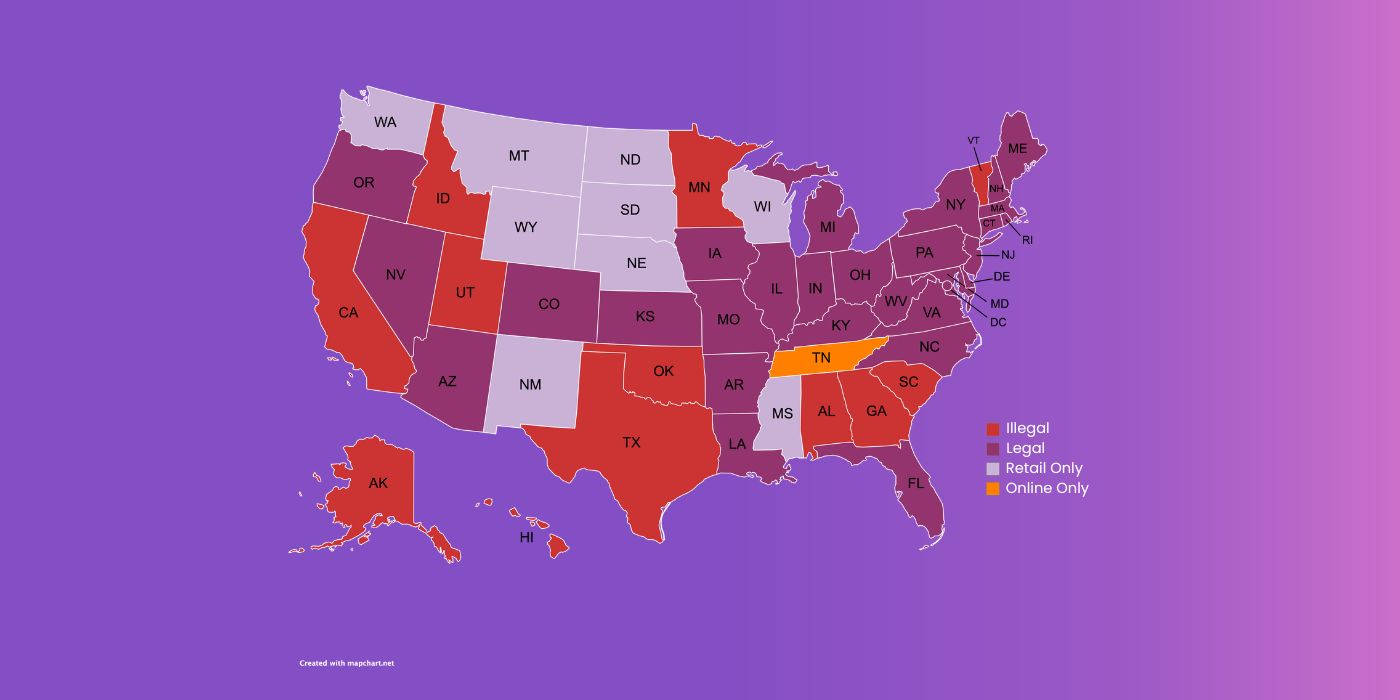
States where sports betting is legal
- Arizona – Sports betting is live and legal in Arizona.
- Arkansas – Sports betting is live and legal in Arkansas.
- Colorado – Sports betting is live and legal in Colorado.
- Connecticut – Sports betting is live and legal in Connecticut.
- Delaware – Sports betting is live and legal in Delaware.
- District of Columbia – Sports betting is live and legal in Washington, D.C.
- Florida – Sports betting is legal in Florida, but only through the Seminole Tribe’s Hard Rock Bet platform.
- Illinois – Sports betting is live and legal in Illinois.
- Indiana – Sports betting is live and legal in Indiana.
- Iowa – Sports betting is live and legal in Iowa.
- Kansas – Sports betting is live and legal in Kansas.
- Kentucky – Sports betting is live and legal in Kentucky.
- Louisiana – Sports betting is live and legal in Louisiana.
- Maine – Sports betting is live and legal in Maine. Online wagering launched in November 2023 through DraftKings and Caesars Sportsbook, both partnered with the state’s Wabanaki tribes.
- Maryland – Sports betting is live and legal in Maryland.
- Massachusetts – Sports betting is live and legal in Massachusetts. Retail betting launched in January 2023 and online betting followed in March 2023, with seven licensed sportsbooks currently operating.
- Michigan – Sports betting is live and legal in Michigan.
- Mississippi – Sports betting is live and legal in Mississippi.
- Missouri – Sports betting is live and legal in Missouri.
- Montana – Sports betting is live and legal in Montana.
- Nebraska – Sports betting is legal but not yet operational in Nebraska.
- Nevada – Sports betting is live and legal in Nevada.
- New Hampshire – Sports betting is live and legal in New Hampshire.
- New Jersey – Sports betting is live and legal in New Jersey.
- New Mexico – Tribal sports betting is legal in New Mexico.
- New York – Sports betting is live and legal in New York.
- North Carolina – Sports betting is live and legal in North Carolina.
- North Dakota – Tribal sports betting is legal in North Dakota.
- Ohio – Sports betting is live and legal in Ohio.
- Oregon – Sports betting is live and legal in Oregon.
- Pennsylvania – Sports betting is live and legal in Pennsylvania.
- Rhode Island – Sports betting is live and legal in Rhode Island. Both retail and online wagering are available through the Rhode Island Lottery.
- South Dakota – Sports betting is live and legal in South Dakota.
- Tennessee – Online-only sports betting is live and legal in Tennessee.
- Vermont – Online-only sports betting is live and legal in Vermont. Betting launched in January 2024 through DraftKings, FanDuel, and Fanatics Sportsbook.
- Virginia – Sports betting is live and legal in Virginia.
- Washington – Tribal sports betting is live and legal in Washington.
- West Virginia – Sports betting is live and legal in West Virginia.
- Wisconsin – Online sports betting was signed into law in Wisconsin on April 9, 2026. Statewide launch is pending new tribal compacts. In-person betting at tribal casinos remains available.
- Wyoming – Online-only sports betting is live and legal in Wyoming.
States where sports betting is not yet legal
- Alabama – Sports betting is not legal in Alabama.
- Alaska – Sports betting is not legal in Alaska.
- California – Sports betting is not legal in California.
- Georgia – Sports betting is not legal in Georgia. The local government has seen repeated legislative efforts to legalize sports betting, with bills advancing in recent sessions. The legal status remains unchanged for now, but it is one of the more likely near-term additions.
- Hawaii – Sports betting is not legal in Hawaii.
- Idaho – Sports betting is not legal in Idaho.
- Minnesota – Sports betting is not legal in Minnesota.
- Oklahoma – Sports betting is not legal in Oklahoma.
- South Carolina – Sports betting is not legal in South Carolina.
- Texas – Sports betting is not legal in Texas.
- Utah – Sports betting is not legal in Utah.

Overview of sports betting legalization in the U.S.
Sports betting has gone from a federally restricted activity to a legal, regulated industry in the majority of U.S. states, and the shift happened faster than most expected.
For decades, federal law kept sports betting off the table for most of the country. The Professional and Amateur Sports Protection Act (PASPA), passed in 1992, prevented states from authorizing or licensing sports betting operations.
Only Nevada was permitted to offer a full range of sports wagers. Delaware, Oregon, and Montana held partial exemptions. Other federal laws reinforced those restrictions. To fully understand how these regulations shaped the current landscape, it helps to look at each one. Here is a breakdown of the key laws that historically governed sports betting across the country:
- Professional and Amateur Sports Protection Act (PASPA): Passed in 1992, this stopped states from legalizing betting, with limited exceptions for Nevada, Delaware, Oregon, and Montana. The Supreme Court struck it down in 2018, opening the door for nationwide legalization.
- Interstate Wire Act of 1961: This federal law prohibited the transmission of wagers across state lines and may still have implications for interstate mobile betting today.
- Unlawful Internet Gambling Enforcement Act (UIGEA): Passed in 2006, UIGEA blocked financial transactions connected to online gambling. States with legal sportsbooks have since developed compliant payment frameworks to work within these rules.
- Sports Bribery Act of 1964: This law criminalized the fixing of sporting outcomes and remains in force today as a protection against corruption in professional and amateur sports.
Together, these laws kept sports betting confined to a small number of states and pushed most activity toward offshore platforms and unregulated markets. You can read more about how these rules fit into the broader picture of online gambling laws in the U.S.
That changed in May 2018, when the Supreme Court ruled PASPA unconstitutional in Murphy v. National Collegiate Athletic Association. The ruling did not legalize sports betting nationwide. What it did was remove the federal barrier, giving every state the authority to pass its own sports betting legislation.
The response was immediate. States moved quickly to develop regulatory frameworks, issue licenses, and launch both retail and online sportsbooks. What followed was one of the fastest expansions of a new legal industry in U.S. history:
- The first retail sportsbooks outside Nevada opened within weeks of the ruling.
- Online and mobile betting followed, becoming the dominant channel in most states.
- Professional sports leagues shifted from opposing betting to partnering with sportsbook operators.
- In 2025, U.S. state-regulated sportsbooks handled nearly $167 billion in wagers, generating close to $17 billion in revenue after payouts, according to the American Gaming Association.
Today, more than 35 states and Washington D.C. have legalized sports betting in some form. The remaining holdouts face growing pressure as tax revenue figures from neighboring states continue to climb.
Sports betting bill to protect gambling-related risks
The New York Senate recently passed a bill to safeguard bettors from addictive risks. This requires sports betting advertisements to inform people about gambling’s harmful effects.
New York Senator Leroy Comrie initiated this bill. It also requires advertisements to show New York’s gambling hotline number. This bill is a great example of promoting responsible gambling.
Ohio, Pennsylvania aims for new betting restrictions
In Pennsylvania, a Senate bill will prohibit using credit cards to fund online gambling activities. That includes online sports betting, casino, and lottery. Pennsylvania State Senator Wayne Fontana filed this bill.
Meanwhile, Ohio becomes the 25th state to limit prop bets on college sports. This initiative protects in-state collegiate teams from harassment. In fact, the National College Athletic Association (NCAA) asked states to ban college prop bets.
Bettors in Ohio can still wager on major national events, including the Super Bowl and college football playoffs.
Online sports betting: Legal status and availability
There’s no stopping the growth of online sports betting.
The overturning of PASPA boosted the market of online sportsbooks. More than 35 states and Washington D.C. now have legal sports betting in some form, with over 30 offering online or mobile wagering. However, they differ in regulations and online sportsbooks.
State-by-State Online Sports Betting: Key Differences:
- Arizona: Retail and online sports betting have been legal since 2021. Arizona has partnerships with tribal casinos.
- Colorado: Retail and online sports betting have been legal since 2019.
- Connecticut: Allows online sports betting since 2021. Connecticut has partnerships with state lotteries.
- Delaware: Online sports betting has been legal since 2009. However, Delaware only offers limited options through the state lottery.
- District of Columbia: Limited online betting and retail sports gambling since 2020.
- Florida: Resumed online sports betting in 2023. However, Hard Rock Bet is the state’s sole sports betting site.
- Illinois: Provides online sports betting since 2020. Illinois offers eight online options, including Caesars Sportsbook and ESPN BET.
- Indiana: Legal online and in-person sports betting since 2019. Indiana offers twelve online options, including the DraftKings sportsbook app.
- Iowa: Fully online sports betting since 2021.
- Kansas: Offers both online and land-based wagering since 2022.
- Kentucky: Offers online and retail wagering. Kentucky allowed eight mobile operators, including FanDuel Kentucky.
- Louisiana: Legal online and retail betting since 2021.
- Maine: Online sports betting launched in November 2023. Maine has two licensed operators: DraftKings, partnered with the Passamaquoddy Tribe, and Caesars Sportsbook, partnered with the state’s three other Wabanaki Nations.
- Maryland: Legalized online sports betting in 2022. Maryland offers nine sportsbooks, including Fanatics Sportsbook.
- Massachusetts: Retail sports betting launched in January 2023 and online betting went live on March 10, 2023. As of 2026, seven sportsbooks are licensed in the state: DraftKings, FanDuel, BetMGM, Caesars, ESPN BET, Bally Bet, and Fanatics Sportsbook.
- Michigan: Offers a total of 13 sportsbooks on mobile and online platforms.
- Mississippi: Online sports betting is legal at physical casinos.
- Missouri – Missouri allowed sports betting in December 2025.
- Nevada: Online sports betting has been legal since 2010. Nevada was exempted from the PAPSA rule.
- New Hampshire: Online sports betting has been legal since 2019.
- New Jersey: Offers online sports betting via a total of 16 sportsbooks.
- New York: Legal online sports betting since 2022.
- North Carolina: Online sports betting launched in North Carolina in March 2024.
- Ohio: Online sports betting was legalized in 2023.
- Oregon: Online sports betting was legalized in 2019.
- Pennsylvania: Online sports betting was introduced in 2019.
- Rhode Island: Rhode Island offers both retail and online sports betting, regulated by the Rhode Island Lottery. The state has historically operated with a single licensed online operator but is actively expanding to additional sportsbooks.
- South Dakota: Online betting is only allowed within Deadwood casinos.
- Tennessee: Only offers mobile and online sports betting. Tennessee doesn’t have land-based casinos.
- Vermont: Vermont launched online-only sports betting in January 2024. Three sportsbooks are licensed in the state: DraftKings, FanDuel, and Fanatics Sportsbook.
- Virginia: Legal mobile and online sports betting since 2021.
- West Virginia: West Virginia has allowed legal online sportsbooks since 2019.
- Wyoming: Online sports betting was introduced in 2021.
Each state differs in key regulations, including online and retail availability.
States that have sports betting in retail locations only
Some states limit sports betting to retail locations at tribal casinos or licensed venues. New Mexico is one example, where wagering is available only through tribal casino partnerships and no online or mobile options are permitted statewide. States that ban sports betting entirely, such as South Carolina, are covered in the section above.
Nevada has permitted sports betting for decades and was one of the few states exempt from PASPA before the 2018 Supreme Court ruling. Every state has different regulations, including the following:
- Licensing: Online and in-person sportsbooks differ in licensing requirements. Specific business permits could vary, too.
- Registration: Land-based platforms may require physical registration.
- Geofencing: Some states enforce strict geolocation requirements. This is to ensure that wagers are placed within state lines.
- Payment processing: States also implement different payment processing regulations. They have to work around the Wire Act and UIGEA regulations.
Understanding these variations is also crucial when starting a sportsbook business. Are you launching in retail-only locations like North Dakota? Or are you entering a more open state like West Virginia?
Bookmakers should understand these laws to avoid compliance pitfalls.
Navigating legal challenges in sports betting
Without legal challenges, online sports betting could become chaotic.
Regulations are needed to stabilize legal online sportsbooks. They have to navigate through legal challenges such as:
- Compliance: Licensing authorities require the submission of documents and permits. These requirements change over time, though. Legal online sportsbooks must keep up with evolving regulations.
- Security: Protecting financial and user data is a priority. Legal online sportsbooks should avoid data breaches and hacks.
- Integrity issues: Reputation is essential for a sports betting app. Avoid insider trading, match-fixing, and fraudulent activities.
- Taxation: Each state has its own taxation structure. It’s a complex regulation that legal sportsbooks should adhere to.
We haven’t even talked about marketing challenges yet. The industry is already brimming with sports betting sites. How can you differentiate in the online sports betting industry?
Most legal online sportsbooks partner with marketing experts. This way, they’re hitting two birds with one stone. They can promote their brand while developing their product.
Just imagine how a sports betting marketing agency like Fortis Media can help you. Their experience helps them recognize patterns in the online sports betting market. They can drive sustainable success amidst the evolving regulations.
Managing a legal online sportsbook is a tough task. Knowing how to allocate your resources can streamline your operations.
Future trends in sports betting legislation
In 2025, U.S. sportsbooks generated close to $17 billion in revenue after payouts, across nearly $167 billion in total wagers handled, according to the American Gaming Association. The market has more than doubled since 2021.
Moreover, holdout states will soon join the party. Holdout states continue to face legislative pressure. South Carolina held a Senate committee hearing on a sports wagering bill in early 2026, though passage remains unlikely in the near term. Nebraska is the most active case, with a constitutional amendment campaign underway that could put online sports betting to a public vote in November 2026. Furthermore, brick-and-mortar casinos are now offering mobile sports betting.
In addition, emerging technologies could boost online sports betting even more. Take a look:
- Cryptocurrencies: Legal online sportsbooks have invested in different payment methods. One of these is cryptocurrencies and blockchain. These offer quicker transactions and increased privacy.
- AI and ML: Artificial Intelligence (AI) and Machine Learning (ML) provide multiple benefits. These are integral in predictive analytics and personalized betting.
- Mobile platforms: Mobile platforms drive accessibility unlike any other. However, it should come with geolocation technologies and consumer protection.
- Regulatory technology: RegTech helps legal online sportsbooks streamline compliance requirements. This technology allows for easier tax collection and regulation.
Moreover, sports betting variations are steadily emerging. We’re seeing the growing popularity of eSports betting and Daily Fantasy Sports (DFS).
All of these trends point towards sustainable success for online sports betting.
Key takeaways
Since 2018, the US sports betting scene has rapidly expanded.
Legal online sportsbooks have thrived since the lifting of the federal ban. Each state now has multiple locations of in-person betting platforms. Even professional sports leagues have partnerships with sportsbooks.
Still, there are regulations to navigate through. Legal online sportsbooks can’t only plan for growth. They have to comply with data security, anti-fraud, and responsible gambling practices.
So, keeping up with a new law is a must for bookmakers and bettors. A state law can dictate how platforms can offer sports betting. Adhere to these regulations to continue betting online.
Frequently Asked Questions
Can tourists participate in sports betting while visiting a legal state?

In most cases, tourists can place wagers while visiting a legal state in the United States. However, tourists must also comply with legal retail or online sports betting regulations. This includes geolocation verification, legal age compliance, tax implications, and adherence to gambling problem measures.
How do state taxes affect winnings from sports betting?
Sports betting winnings are considered taxable income, whether that’s from the perspective of the states or the Internal Revenue Service (IRS). This means that you can’t collect all of your sports betting winnings. Tax rates could vary depending on residency, state laws, and federal taxes.
What are the requirements for sports betting licenses in different states?
Some of the common licensing requirements for sportsbooks include financial documents, cybersecurity measures, business structure, and gambling problem measures. Getting a sports betting license varies in each state, especially in terms of licensing fees, company reviews, and legal or regulatory compliance.
How does the federal government regulate sports betting across state lines?
Since the overturning of the 1992 PASPA rule, there’s been no federal ban on sports betting across different states. This means that each state has the jurisdiction and authority to impose its own regulations, whether for legal online sportsbooks or retail locations.
Will a VPN let me bet on sports in a state where it is not legal?
No. Licensed U.S. sportsbooks use geolocation technology that cannot be reliably bypassed with a VPN. Attempting to do so also violates the terms and conditions of every licensed sportsbook and could result in your account being closed and any winnings being forfeited.


Read our other articles

Casino Marketing Strategy Tips for 2026: Driving Growth in the iGaming Industry


iGaming Content Marketing Tips & Strategies: A Complete Guide for 2026


Prediction Markets vs Sports Betting: What is the Difference?
